Nahuatl, also known as Aztec or Mexican, is the most widely spoken indigenous language of North America. Spoken by the Aztecs centuries ago, 1.5 million people in Mexico and Central America continue to speak it today. This bilingual dictionary reflects usage largely based on classical norms of the Nahuatl literary tradition, but also includes more contemporary vocabulary. Entries contain the part of speech and the preterit stems. An extensive grammar section and a guide to Nahuatl pronunciation complete this work, which is sure to be of interest to scholars, students, and travelers alike.
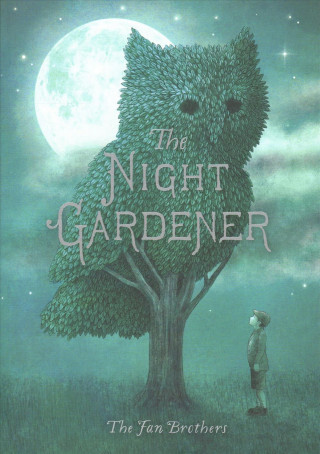
"Something was happening on Grimloch Lane. Something good." A best-selling debut picture book about an orphan whose life is transformed by a mysterious night gardener bringing colour and life to his town.
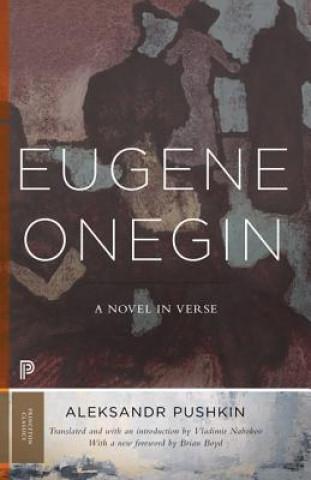
When Vladimir Nabokov's translation of Pushkin's masterpiece Eugene Onegin was first published in 1964, it ignited a storm of controversy that famously resulted in the demise of Nabokov's friendship with critic Edmund Wilson. While Wilson derided it as a disappointment in the New York Review of Books, other critics hailed the translation and accompanying commentary as Nabokov's highest achievement. Nabokov himself strove to render a literal translation that captured "the exact contextual meaning of the original," arguing that, "only this is true translation." Nabokov's Onegin remains the most famous and frequently cited English-language version of the most celebrated poem in Russian literature, a translation that reflects a lifelong admiration of Pushkin on the part of one of the twentieth century's most brilliant writers. Now with a new foreword by Nabokov biographer Brian Boyd, this edition brings a classic work of enduring literary interest to a new generation of readers.
'Above all, be the heroine of your life.'Nora EphronInside every girl is a diamond core of strength that helps them achieve anything they put their mind to. Tap into your magic with this beautiful collection of inspirational quotations and life-affirming statements.
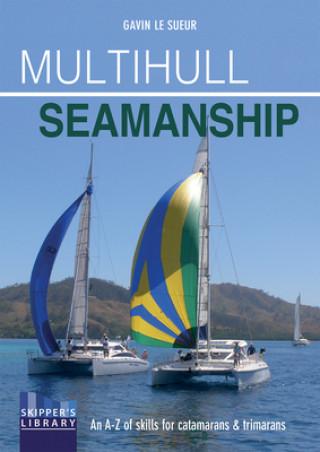
An A-Z of seamanship skills needed to understand and enjoy catamarans and trimarans to their utmost. Racing and cruising yachts are catered for, as are trailer-able multihulls. Derived from the author's own extensive experience, built on through others sharing their knowledge and illustrated with delightful line drawings.
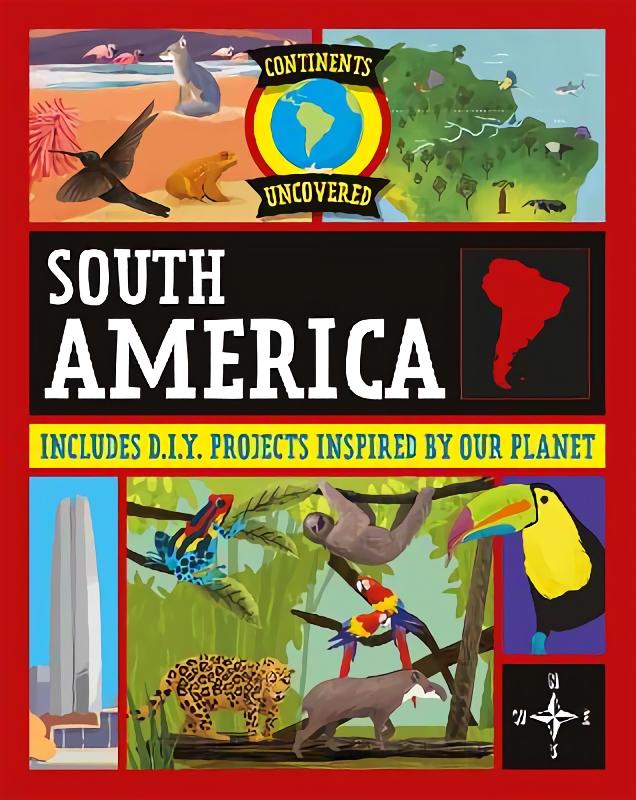
Discover some of Earth's most spectacular places on the continent of South America! Uncover the unique features of South America, from the wide variety of habitats and landscapes to the cultures of the peoples that inhabit the continent. Explore Tierra Del Fuego National Park, Lake Titicaca and the Atacama Desert that lie in the Andes Mountains, the Amazon Rainforest and more in this beautifully illustrated and informative celebration of Earth's flora, fauna and spectacular geography. This book is part of the Continents Uncovered series, which takes the reader on a tour of the world, charting landmarks, climates, people, animals and other wildlife. But it doesn't stop there! This series is full of easy craft activity ideas that explore human cultures, wildlife and geographical phenomena. This series is ideal for children aged 7+ studying geography at KS2 or who are interested in maps, continents, wildlife and habitats. Titles in this series: Africa Asia Australia, New Zealand and Antarctica Europe North America South America
At last, in this absorbing and authoritative study, the story of the epic struggle on Spains eastern front during the Peninsular War has been told. Often overlooked as not integral to the Duke of Wellingtons main army and their campaigns in Portugal and western Spain, they were, in point of fact, intrinsically linked. Nick Lipscombe, a leading historian of the Napoleonic Wars and an expert on the fighting in the Iberian peninsula, describes in graphic detail the battles fought by the French army of General Suchet against the Spanish regulars and guerrillas and subsequently the Anglo-Sicilian force sent by the British government to stabilize the region. Despite Suchet's initial successes and repeated setbacks for the allied armies, by late 1813 the east coast of Spain held a key to Wellington's invasion of France and the ultimate defeat of Napoleon's armies in the Peninsula. At a tactical level the allies were undeniably successful and made an important contribution to the eventual French defeat. Autorid: Nick Lipscombe
Uncovering the intricate cultural threads that inform our dietary practicesParanatures in Culinary Culture embarks on a gastronomic odyssey, redefining foods we thought we knew and revealing the extraordinary stories of ordinary ingredients and the cultural forces shaping our diets. The book begins with a simple premise: to eat is to assimilate the outer world into the inner body, both physically and mentally. But what happens when this assimilation process goes awry? Thomas R. Parker reveals how culinary staples are not only elements of identity formation but also instruments of cultural disruption when their true nature emerges and challenges our preconceptions. Parker explores how certain foodsbread, oysters, pigs, cheese, and winecan both create and destabilize narratives, unsettle assimilation, and decenter Western culinary traditions. Taking inspiration from architectural historian David Gissens concept of subnature and Michel Serress idea of the parasite, Parker develops the concept of paranatures: flavors, foods, and practices considered unpalatable by different societies at different times. He reveals how certain ordinary foods live parallel paranatural lives, addressing larger issues of colonial and postcolonial food theory and challenging long-held notions that cuisine was meant to uphold. Serving up a rich blend of history, culture, and gastronomy, Parker leads readers to perceive food as an adventure, inviting them to taste the untamed side of nature. He offers a thought-provoking invitation to reconceptualize the roles and narratives we assign to the natural world and its produce, allowing us to see food, nature, and ourselves in new ways. Autorid: Thomas R. Parker