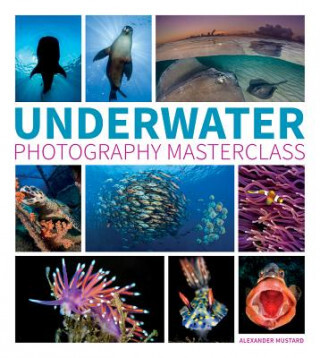
There is an astonishing world just waiting to be photographed underwater. With marine biologist Dr Alexander Mustard as your guide you can learn all you need to know to explore the amazing creatures and landscapes that lie beneath the surface. From information about diving equipment and cameras, to crucial advice on understanding and controlling light underwater, this book provides all the background you need before you take the plunge. Topics covered include wide-angle light, macro lighting, ambient light and macro techniques. With the benefit of 30 years of experience taking underwater photographs, Alexander uses his wealth of
5pt;font-family:"Verdana","sans-serif"; mso-bidi-font-family:Verdana'>Bobby the dog lived 150 years ago. This is his story and his loyalty is a lesson to us all. Autorid: John Townsend, Townsend John
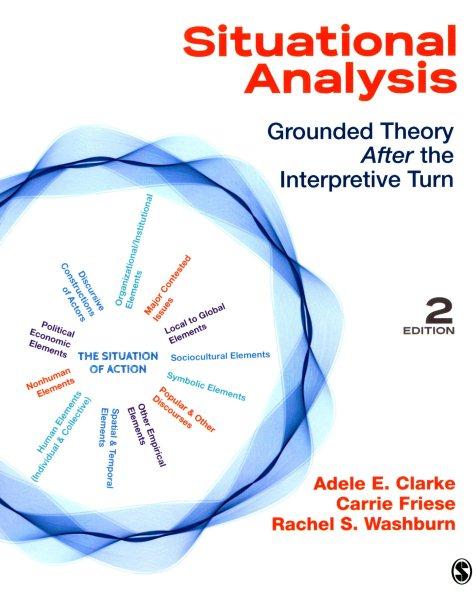
The Second Edition of Situational Analysis: Grounded Theory After the Interpretive Turn offers an innovative extension of grounded theory useful in qualitative research projects that draws on interviews, observations, and visual, narrative, and historical discourse materials. To engage the dense complexities of real world situations, Situational Analysis (SA) braids together Strausss ecological social worlds/arenas theory, Foucaults discourse analysis, and Deleuze and Guattaris rhizomes and assemblages. In SA, the situation itself becomes the fundamental unit of analysis. Using extensive examples, the authors discuss getting started, how to create three kinds of maps emphasizing differences and relationality (situational maps, social world/arena maps, and positional maps), the kinds of analytic work they accomplish, and how to write up the results centered on the distinctive strengths of the method. The book will serve as an invaluable resource for advanced undergraduate and graduate-level students, as well as professional researchers and consultants from diverse backgrounds pursuing qualitative projects. Autorid: Adele E. Clarke, Carrie Friese, Rachel Washburn
Knits to Wearfeatures 17 Scandinavian-inspired patterns that blend comfort with contemporary elegance. Create your own treasured pieces with this beautiful book by one of todays most beloved knitwear designers, Veronika Lindberg (also known as Kutova Kika). Knits to Wear offers 17 patterns destined to become cherished favorites. From simple, timeless designs to modern pieces with a romantic twist, decorative textures and traditional colorwork, Veronika guides you in crafting stylish, everyday knits for year-round wear. She also shares her expert tips and tricks to help you save time and knit like a pro, along with styling suggestions to inspire you to create pieces that reflect your unique personal style. Including 17 patterns: 7 sweaters, 2 cardigans, 3 tops, 1 vest, 3 hats & 1 collar. Most sweaters, cardigans, vests and tops come in 9-10 sizes and are graded to fit at least a 54-60" / 137-152 cm chest. The original book was created by Laine, a publishing house based in Finland who are behind the eponymously named international knit and lifestyle magazine. Autorid: Veronika Lindberg
Kõrgetasemeline reageerimisvõime Ülireageeriv turvisemustri disain kohandub pidevalt teega, tagades maanteega optimaalse kokkupuuteala. Suurepärane juhitavus „Dynamic Response“ tehnoloogia: aramiidi ja nailoni hübriidvöö tagab juhtimisotsuste optimaalse edastamise maanteele. Erakordne haarduvus kuival ja parem pidurdamine märjal teel „Bi-Compound“ tehnoloogia: turvises on kasutatud 2 erinevat elastomeeri -välimine pool: uudne hübriidelastomeer, mis tagab haarduvuse KUIVAL teel -sisemine pool: uudne ühendisegu, mille erilised „funktsionaalsed elastomeerid“ ja räni tagavad suurepärase haarduvuse ja pidurdamisel MÄRJAL teel.
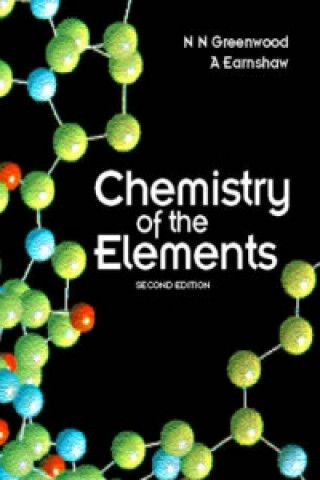
When this innovative textbook first appeared in 1984 it rapidly became a great success throughout the world and has already been translated into several European and Asian languages. Now the authors have completely revised and updated the text, including more than 2000 new literature references to work published since the first edition. No page has been left unaltered but the novel features which proved so attractive have been retained. The book presents a balanced, coherent and comprehensive account of the chemistry of the elements for both undergraduate and postgraduate students. This crucial central area of chemistry is full of ingenious experiments, intriguing compounds and exciting new discoveries. The authors specifically avoid the term 'inorganic chemistry' since this evokes an outmoded view of chemistry which is no longer appropriate in the final decade of the 20th century. Accordingly, the book covers not only the 'inorganic' chemistry of the elements, but also analytical, theoretical, industrial, organometallic, bio-inorganic and other cognate areas of chemistry.The authors have broken with recent tradition in the teaching of their subject and adopted a new and highly successful approach based on descriptive chemistry. The chemistry of the elements is still discussed within the context of an underlying theoretical framework, giving cohesion and structure to the text, but at all times the chemical facts are emphasized. Students are invited to enter the exciting world of chemical phenomena with a sound knowledge and understanding of the subject, to approach experimentation with an open mind, and to assess observations reliably. This is a book that students will not only value during their formal education, but will keep and refer to throughout their careers as chemists. Completely revised and updated Unique approach to the subject More comprehensive than competing titles
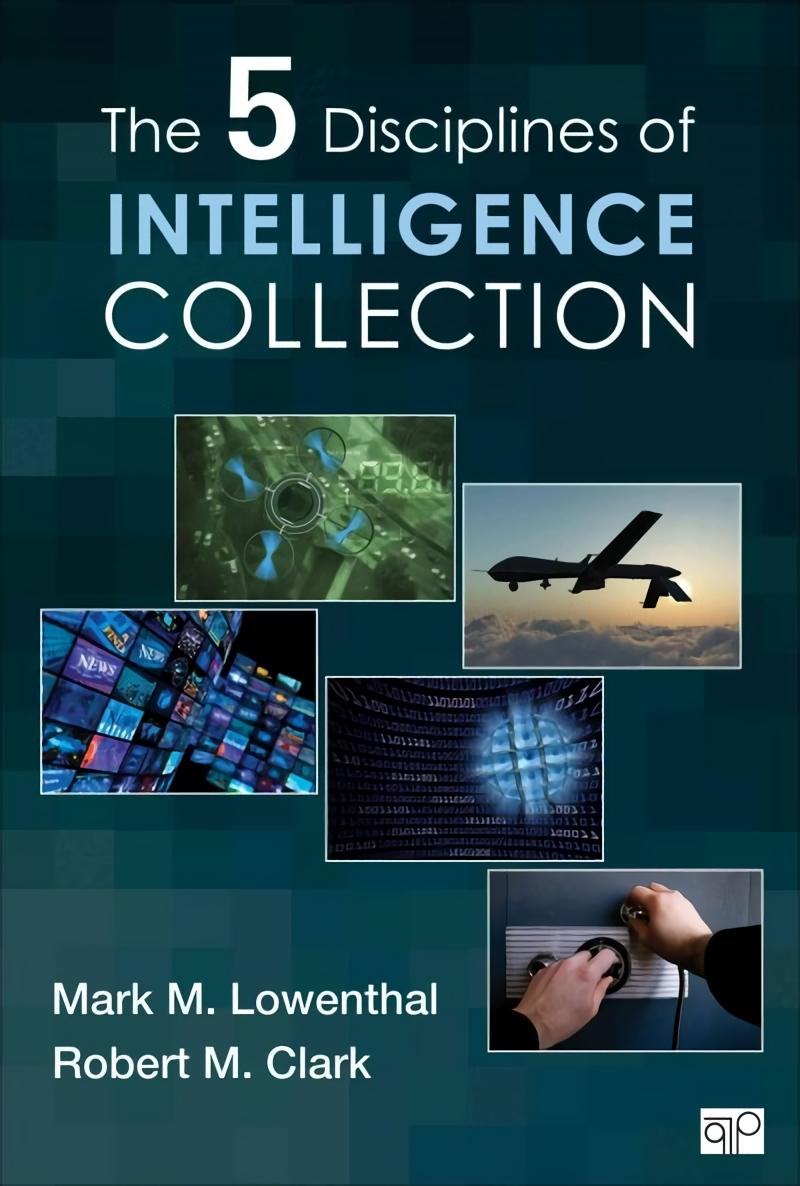
Leading intelligence experts Mark M. Lowenthal and Robert M. Clark bring together an all new, groundbreaking title. The Five Disciplines of Intelligence Collection describes, in non-technical terms, the definition, history, process, management, and future trends of each intelligence collection source (INT). Authoritative and non-polemical, this book is the perfect teaching tool for classes addressing various types of collection. Chapter authors are past or current senior practitioners of the INT they discuss, providing expert assessment of ways particular types of collection fit within the larger context of the U.S. Intelligence Community. This volume shows all-source analysts a full picture of how to better task and collaborate with their collection partners, and gives intelligence collectors an appreciation of what happens beyond their "stovepipes," as well as a clear assessment of the capabilities and limitations of INT collection. Autorid: Mark M. Lowenthal, Robert M. Clark