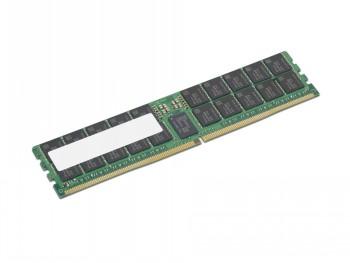
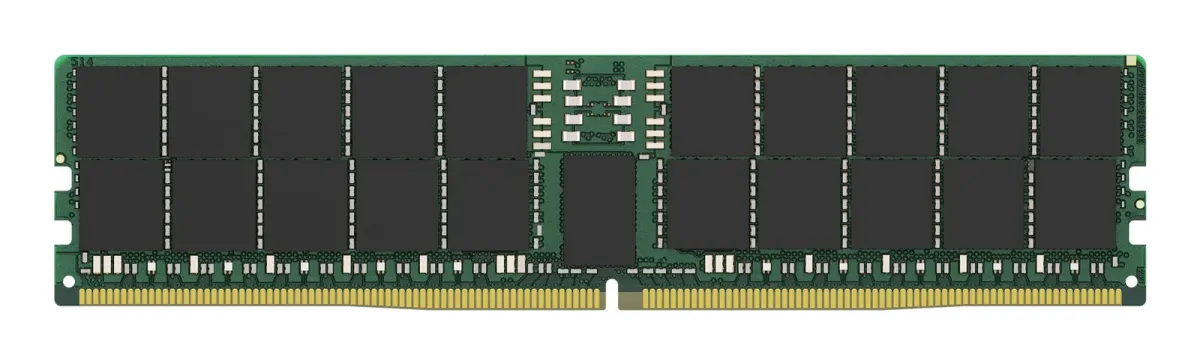
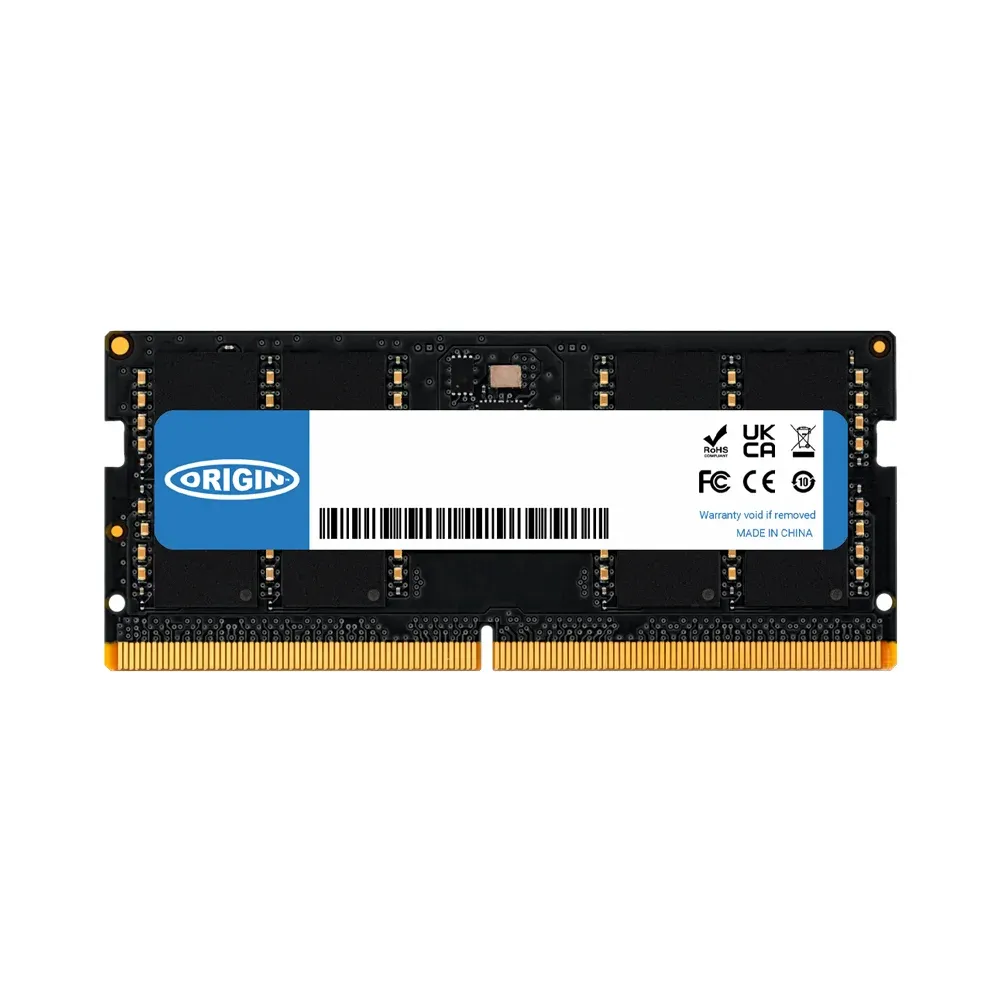
\The introduction of DDR5 memory is bringing in a huge increase in performance for every server or workstation using this technology. The clock speed starts with a 50% increase over the last generation of DDR4 memory and already shows additional speed bumps above that to 6400MT/s. The underlying architecture has been enhanced as well to give additional boosts to the overall system performance. Of course, every application will respond differently to these changes, but for any application using high CPU core counts and is already bandwidth limited by the memory in a DDR4 system, the performance improvement should be shocking.If you consider the CPU of your server or workstation the brains, then the system memory would be considered the lifeblood of the system. The amount of memory in your system will dictate the overall performance. Generally speaking, the more memory in the system, the higher the overall performance you can expect. System memory installations or upgrades are incredibly easy with the socket used on the motherboard. No special skills or tools are needed to complete the task. Servers supporting virtualization applications are highly dependent upon the amount of memory installed. Multiple virtualized servers can coexist on the same physical server as long as the total amount of memory installed can meet the need of each individual virtualized server.When a server or workstation is running an application that exceeds the memory of the server, it is forced to offload portions of the application to the online storage system like an SSD. When the application needs to swap portions of itself out and bring in other parts from the SSD, the latency can increase significantly. By ensuring the system has enough memory to hold the entire database or application, the overall application latency can be greatly reduced, sometimes by orders of magnitude. Micron Server and Workstation DRAM modules run through an extensive line of tests at both the component and module level before they are released to partners and customers. Enterprise and Cloud customers can rest assured that the modules leave the factory only after meeting the exacting JEDEC specifications established for enterprise-class systems.
Das G.Skill F5-6000J2836G32GX2-RM5NRW ist ein Kit aus 2x 32 GB DIMM DDR5-6000 (PC5-48000) Speichermodulen aus der Ripjaws M5 Neo RGB Serie. Die Gesamtkapazität beträgt 64 GB. Das 288-Pin Modul unterstützt eine Latenz von 28-36-36 bei 6000 MHz und benötigt 1,4 Volt Spannung. AMD EXPO wird unterstützt.
Das Patriot PVVR516G56C36 ist ein 16 GB DDR5-5600 (PC5-44800) Speichermodul aus der VIPER VENOM RGB Serie. Die Gesamtkapazität beträgt 16 GB. Das 288-Pin Modul unterstützt eine Latenz von 36-36-36-68 bei 5600 MHz und benötigt 1,25 Volt Spannung. Intels XMP Version 3.0 wird unterstützt.
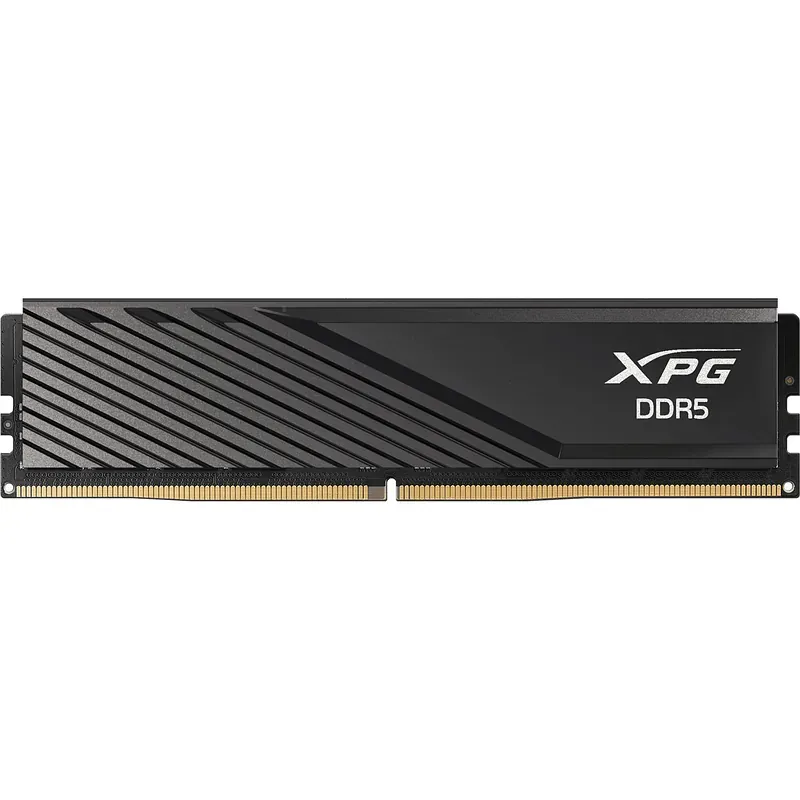
ADATA AX5U6000C2816G-SLABBK is a 16 GB DDR5-6000 (PC5-48000) DIMM memory module from the XPG Lancer Blade series. The total capacity is 16 GB. The 288-pin module supports a latency of 28, with a maximum frequency of 6000 MHz and requires a voltage of 1.4 V. Intel XMP 3.0 and AMD EXPO are supported. Type DDR5 Color black EAN 4711658154125 Manufacturer No. AX5U6000C2816G-SLABK XPG Lancer Blade Series Capacity 16 GB Number 1 pcs DIMM design Profiles INTEL XMP (version 3.0), AMD EXPO 288-pin connector Voltage 1.4 V (1.1 to 1.4 V) Standard DDR5-6000 memory (PC5-48000) Physical Clock 3000 MHz CAS Delay Times (CL) 28 RAS-to-CAS Delay Times (tRCD) 36 Times RAS Precharge Time (tRP) 36